
Co-op Guide for Burger Shift: Team Rush
Solo or 1–8 players, online and LAN, built-in voice and text, lobby tools, name tags, and Trainee for solo.
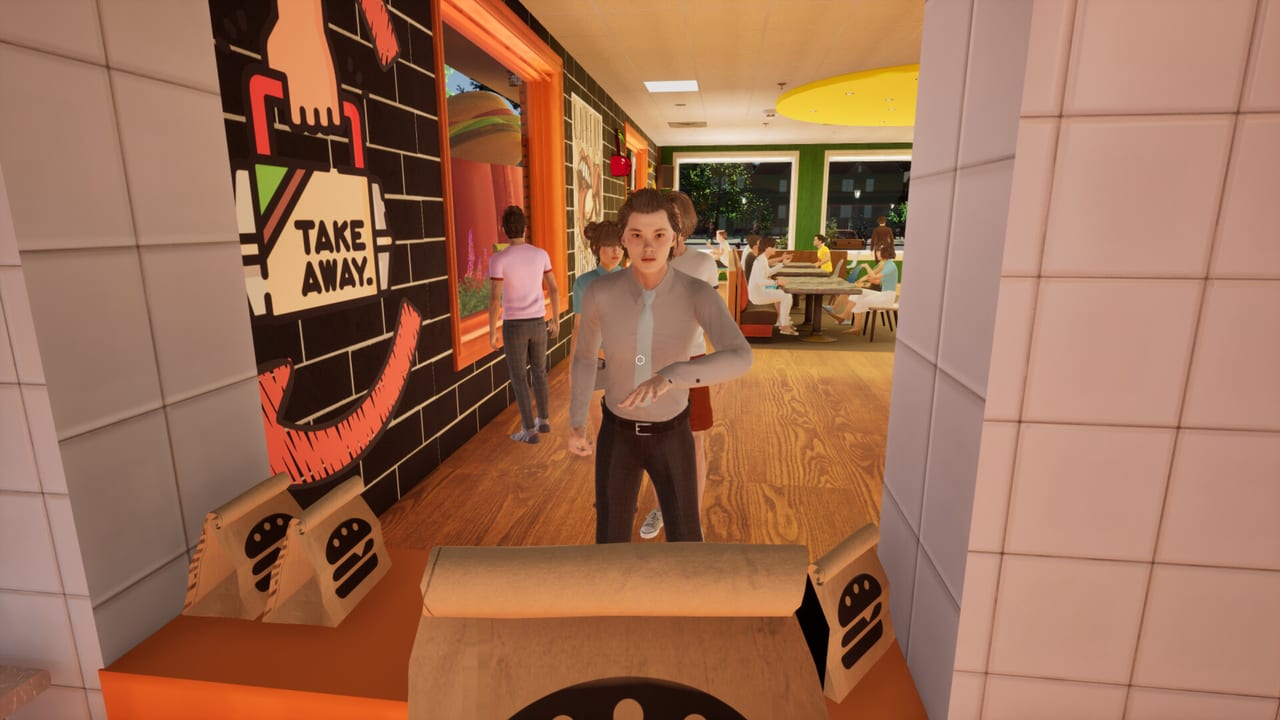
Burger Shift: Team Rush is built for a kitchen that can be empty or packed. You can run a shift solo, or you can fill one to eight player seats. Those seats work over online co-op and LAN co-op. There is an in-game lobby, built-in voice chat, built-in text chat, name tags, and a host kick on the pause menu. Bring a remote friend or a LAN table; both session types are first-class.
The Early Access build entered on 11 September 2026 on Windows Steam. The Prologue (app 3821150, 22 October 2025) already let crews cook together; footage from that app is why this page can talk about lobby flow before listing every Early Access station. Fryer, ice cream, a complete Drive-Thru, takeaway, and hireable NPC employees still belong to the full Early Access feature set, so agree which app you are launching before you argue about windows.
Lobby, voice, text, and the kick
Host from the in-game lobby or join one. You do not need a fan-made matchmaker. Voice and text are already there. Use them before the first ticket, not after two people are both holding the spatula. Chat also signals join and leave, which is how you notice a ninth personality trying to exist in an eight-seat kitchen.
The pause menu lists players, ping, day, and difficulty. The host can kick from that menu. Kick the person who is AFK in the doorway. Kick the person who refuses a station. Do it early. A polite seven-player shift beats a silent eight. Ping on that same screen is how you diagnose a rubber-band flip before you blame the patty.
Name tags, added in the Burger Flow Prologue update on 7 November 2025, put a readable label on the chaos. Call stations by name: grill, wrap, drinks, runner, window. Colour-only callouts fail when two people wear the same hoodie from the character creator. Hair, head, torso, hands, legs, and shoes are cosmetic; pick a silhouette the squad can see across the pass.
Solo is still co-op’s first lesson
Solo play is supported. It is also how you learn the verbs you will later shout. Stay on Trainee. Customer patience is doubled, which is the only reason one human can cook, wrap, pour, and empty bins without a walkout every ticket. Supervisor sends about 10% more customers. Manager sends about 35% more. Those settings are for a squad with roles, not for a pride run on day one.
A solo Trainee shift still uses stacking, receipt hover, inspection, and dumpster trips. You are not skipped out of systems because you have no friends online. You are simply every station. When you later host, you will know which job actually hurt.
If you want a written seat plan before people connect, use the shift planner. If you want a ranking of those seats, use the role tier list. If you want the social side of who should host and who should talk, open the Players Hub. This page is the session rules that sit under all three.
Role assignment before unpause
Do not unpause into a Manager lunch with eight people and no jobs. In the lobby, assign:
- One grill. They own the flat top, the 85–90% flip, and both sides toward 100%.
- One wrap. They hover receipts, inspect Prep Pans, unwrap to fix, and bag if Drive-Thru is open.
- Drinks. Soda fountain and coffee machine. In small lobbies this stacks onto wrap.
- Runner. Cooler, market-delivery back door, dumpsters, dining-room firefighting.
- Extra seats. Fryer, ice cream, or window only after the four jobs above exist.
Two players: grill + wrap/drinks. Three: add runner. Four to five: runner can peel into front of house. Six to eight: freeze a window or a fryer without stripping grill. The Getting Started first hour is the tutorial for each of those verbs; co-op is the traffic map.
NPC employees, once hiring is available in your Early Access build, clean tables and restock ingredients. They complement the runner. They do not take a player seat and they do not get kicked from the pause menu. Humans still need the plan.
Online versus LAN, and why both exist
Online co-op is the default for friends in different houses. LAN co-op is for the same room, the same switch, the same argument about pickles. Pick the mode that matches the room you are standing in. Both are real. Built-in voice still works either way, though a LAN table may prefer yelling. Text remains useful for ticket numbers when the flat top is loud.
Playtest materials listed partial controller support. That matters in co-op when one friend shows up with a pad and cannot interact. Have them open in-game settings before you start Manager. Steam Deck support is not confirmed; do not advertise a Deck seat as a known-good eighth player.
This is a Windows Steam game, $14.99 with a 10% intro offer until 25 September 2026, not a mobile tap lobby and not Roblox. Everyone in the session should be on the same app: Early Access versus Prologue. Mixed expectations about Drive-Thru and hired staff will waste the first ten minutes of voice chat.
Pacing a session
Start the night on Trainee even with eight people if half the lobby is new. Let them land one Full Shift worth of muscle memory — Full Shift is an achievement name, not a promise this page will define. Climb to Supervisor when wrap is bored. Climb to Manager when patience alerts are rare and bins are empty.
Faster service still pays extra tips. Perfect orders get extra-happy voice lines; mid quality gets that’s-fine. Co-op does not change those rules. It only changes how many hands can chase them at once. Dumpster Duty’s speed bonus still applies, so a runner who never takes trash is leaving money on the floor.
When the session goes bad, pause. Look at ping. Kick if needed. Reassign. Do not keep cooking while two grills fight. Community talk may compare the chaos to Fast Food Simulator; the comparison is the loop, not a reason to import another game’s lobby culture. Close on a clean Trainee day rather than a ruined Manager screenshot. Then write the same names into the planner for next time so the eighth player is not a surprise intern on the steel.
Frequently Asked Questions
Quick answers to the most common kitchen questions.
How many players can join, and is it online?
Solo or one to eight players. Online co-op and LAN co-op both exist, with an in-game lobby plus built-in voice and text chat.
How does the host remove someone?
Kick from the pause menu. That menu also shows players, ping, day, and difficulty. Use it when a seat is idle or a duplicate grill is fighting over the spatula.
What difficulty should a solo player use?
Trainee. Patience is doubled. Supervisor and Manager add about 10% and 35% more customers and are meant for crews with assigned stations. New groups should start there too.
Where do we write down who stands where?
Assign jobs in the lobby, then keep them on the shift planner and the role tier list. The Players Hub covers the people side of the same plan.
Do we need Discord to talk?
No. Voice and text are built in. Many crews still use an outside app, but you can call stations without one. Name tags help you aim those calls.
Should we mix Prologue players with the Early Access build?
Launch the same app. The Prologue is a separate Steam title and lacks the full Early Access station set. Read Getting Started if anyone in the lobby has not closed a Trainee day yet.