
Burger Shift: Team Rush Burger Shift Crew Roles
Split humans across grill, wrap, drinks, and windows. Let NPC employees take tables and stock — they still do not cook.
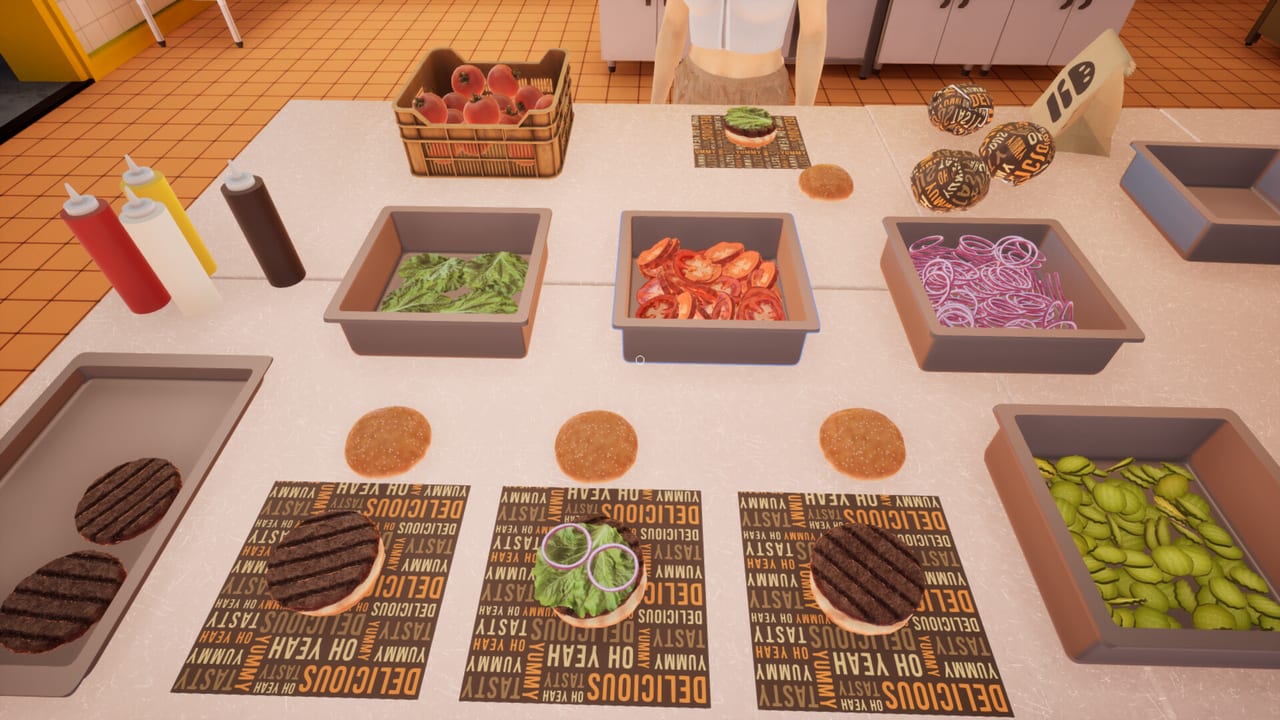
Crew roles in Burger Shift: Team Rush are agreements, not class selects. You do not pick a hidden kit at the lobby door. You look at the ticket board, name a human for each failure point, and keep NPC employees on the chores they can actually finish. This page is the script. The role tier list is the argument about which scripts you may drop. The kitchen stations guide is the floor plan. The co-op guide is how those people connect. The shift planner is where the names go so nobody “helps” the same pan.
A shift is one to eight players, online or LAN. Early Access from 11 Sep 2026 lets you hire NPC employees to clean tables and stock ingredients. The Prologue locks hiring. Trainee doubles patience, Supervisor adds about ten percent more customers, Manager adds about thirty-five percent more. Faster service still pays extra tips. Roles exist so those extra bodies and extra customers do not all stand on the soda fountain.
Human versus NPC
Humans can work every station: grill, assembly, drinks, fryer, ice cream, drive-thru, takeaway, front of house, dumpster and bins, walk-in cooler, and market deliveries. That freedom is how you fail. If four humans all “help grill,” assembly starves and the help was a wipe.
NPC employees are not junior players. In Early Access they wipe tables and restock ingredients. That is front-of-house hygiene and runner labor, the work that pulls a solo cook off the flat top. They do not take a ticket, they do not flip, they do not wrap, they do not own a window. When you brief a mixed crew, say it in one sentence: humans own the clock, employees own the mess.
Do not assign an employee a callsign as if they hear voice chat. You still call “bins” to a human floater. You let the hire keep doing table and stock loops in the background. Staff upgrades make those loops less awful for short lobbies; they do not turn the hire into a cook. If you are in the Prologue, skip the employee paragraph and brief humans only.
Station jobs worth naming
Grill cook. Lives on the flat top. Drops patties, flips in the late cook window, finishes both sides, and does not wander for a coffee unless the board is empty. This is the seat you protect when the lobby is small.
Assembler. Reads the ticket, builds the burger, wraps, inspects, unwraps to fix a mistake, and sends. Hover the receipt when voice is loud. This seat turns cooked meat into a bag. Without it, grill is performance art.
Drinks. Soda and coffee. Fast hands, easy to ignore. On a two-stack this is the assembler bouncing. On a four-stack it deserves a name. On Manager, a missing cup is how a perfect burger still walks.
Window. Drive-thru and takeaway when those hatches are open. One voice, one bag, no dining-room mix-up. If the window is closed, this job does not exist — do not cosplay it.
Floater / runner. Cooler pulls, truck deliveries, bins, dumpster, and the extra machines (fryer, ice cream) as tickets demand. After Dumpster Duty, bins are a named task, not a vibe. The floater is the only person allowed to be “everywhere” because everyone else is somewhere.
Front of house. Walk food, clear plates, watch patience alerts that name the customer, table, and time left. On Trainee, employees can carry a lot of the wiping. On Manager, a human still needs to see the room.
Fryer and ice cream. Early Access machines. They are real jobs when those recipes print. They are floater side-quests when the board is still burger-heavy. Do not steal the grill cook for nuggets during a meat wave.
Callouts: ticket, flip, wrap, window
Keep the vocabulary small enough to shout over a fryer.
- Ticket: a new receipt is up. Grill and assembly both look. Do not all walk to the printer.
- Flip: the patty is ready to turn. Only the cook needs to move. Anyone else repeating it is noise.
- Wrap: meat is ready for assembly, or assembly is ready for a handoff. This is how you stop cooked stacks dying on the board.
- Window: a car or a takeaway bag, not a dine-in tray. If you mean the dining room, say the table number from the patience alert instead.
Add two logistics words when they matter. Bins: trash is the bottleneck, especially after Dumpster Duty. Truck: a market delivery needs one unloader, not a welcoming committee. Cooler: restock from the walk-in, then get off the cook’s hip.
If your lobby hates voice, type the same four words. Text chat exists. Silence is how two people wrap the same burger and nobody flips.
Host starts as caller. Hand the caller title off on purpose if the host is the grill cook and cannot talk. A cook who is also the only voice will drop patties or drop calls. Four and eight player nights should pick a caller who is on drinks or float, not on the hottest pan.
Solo, duo, four, eight
Solo. You are cook and wrap. Drinks happen when the pass is quiet. Window happens when a bag is actually there. Bins happen when you will otherwise stall. Hire employees in Early Access so tables and pans move without you. Trainee is the honest setting until this loop is automatic. Supervisor’s extra customers are a choice, not a default.
Duo. Player A is grill. Player B is assembly plus drinks. Window and bins go to B during spikes, then back to wrap. Do not both hover meat. Employees still wipe so B is not trapped in the dining room.
Four. Name four humans: grill, assembly, drinks, floater. The floater owns window, bins, truck, cooler, fryer, ice cream, and a glance at the room. This is the first size where A-tier stations get a body without starving S. If someone wants to “main ice cream,” they are the floater with a hobby, not a fifth named class.
Eight. You can cover every open station and still lose to duplicate hands. Keep a caller. Split grill only if the cook surface is actually big enough and assembly is already staffed. Dedicated window if drive-thru is open. Dedicated runner for truck, cooler, dumpster. Remaining bodies go to fryer, ice cream, and front of house. Extra people do not get to invent a second assembler “just in case” while the truck sits full.
Front of house and the dining room
Dining room work is easy to mock until Manager fills the seats. Patience alerts are the HUD for this role. When a name, table, and timer pop, someone human has to answer unless an employee is already mid-wipe on that four-top. Walking a tray is part of assembly’s last step on a short crew and a named job on a long one. Do not let four people escort one burger to a table.
Clean tables are also an ingredient loop: employees restock, but only if the room is not a graveyard of trays. A filthy dining room slows the next sit-down wave even if the grill is heroic.
Dumpster, bins, cooler, deliveries
These are the roles that feel like chores and still save S seats. The walk-in cooler is the pantry. Market deliveries are the incoming crate stream. Bins and the dumpster are the outgoing waste stream. After Dumpster Duty, pretend bins are an A-tier station until the floor is clear, then demote them back to floater work.
One person unloads the truck. One person owns the dumpster run. Everyone else stays on ticket, flip, wrap, window. If you remember nothing else from this page, remember that. A full eight-stack greeting the delivery like a party is how patties burn.
Re-brief when a station opens, when you hire, and when you bump difficulty. Write the names on the shift planner, then play the plan you wrote.
Frequently Asked Questions
Quick answers to the most common kitchen questions.
What is the difference between a human role and an NPC employee?
Humans take ticket jobs: grill, wrap, drinks, windows, extra machines. Early Access NPCs clean tables and stock ingredients. They do not replace a cook.
Which four callouts should we actually use?
Ticket, flip, wrap, and window. Add bins after Dumpster Duty and truck when a delivery lands. Small words beat job titles in a loud kitchen.
Who should be the caller in a four-player lobby?
Someone on drinks or float, not the grill cook. The host starts as caller only until they hand it off. A cook who is also the only voice drops patties or calls.
How do we split a duo?
One player lives on grill. The other owns assembly and drinks, plus window and bins during spikes. Do not both hover the flat top.
When does front of house need a dedicated human?
On Manager, or whenever patience alerts outrun employee wiping. On Trainee, hires can carry a lot of table work if the pass is still staffed.
Is hiring available in the Prologue?
No. Hiring is locked in the Prologue. Brief humans only there. Early Access is where NPC employees join the table-and-stock loop.