
Difficulty Guide for Burger Shift: Team Rush
Trainee doubles patience, Supervisor adds about 10% more customers, Manager about 35%. Solo starts on Trainee.
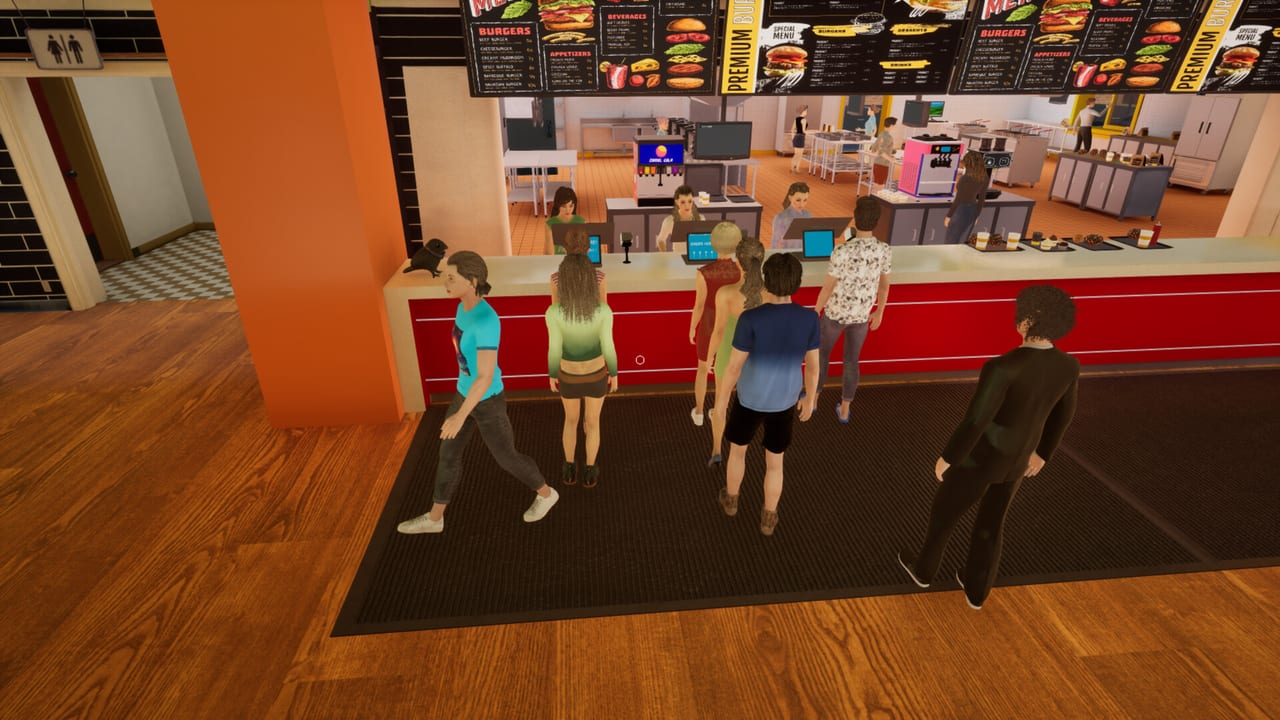
Burger Shift: Team Rush treats difficulty as a customer-count and patience setting, not as a hidden damage slider. The Dumpster Duty Prologue patch (3 December 2025) published the three labels this wiki will stand behind: Trainee, Supervisor, and Manager. Early Access from 11 September 2026 still uses that split. You pick it when you host. The pause menu shows the current setting next to players, ping, and day. Change it on purpose, then leave it alone for the shift.
This page is the pacing guide. The first-hour loop lives on Getting Started. Lobby size, voice, and kicks live on the Co-op Guide. Grill timing lives on How to Cook Burgers. Patch dates live on Prologue Patch Notes. Staffing a short lobby with hired hands lives on Employees. Write names before you climb, using the shift planner.
Trainee, Supervisor, Manager
Trainee doubles customer patience. That is the official teaching lane. Tickets still print. Patties still burn. Bins still fill. You simply get more time before a walkout. Solo cooks should start here even if they already finished the Prologue. A doubled patience bar is how you learn the 85–90% flip without serving raw meat to table four.
Supervisor sends about 10% more customers than the previous baseline. Patience is no longer doubled. The kitchen feels busier, not broken. Use it when wrap, drinks, and bins already have owners — humans or, in Early Access, a mix of humans and NPC employees.
Manager sends about 35% more customers. The queue is faster and louder. Patience alerts fire more often because more bodies sit in the dining room, not because the UI is angrier. Host Manager only after someone owns grill, someone owns wrap, and someone (or a hire) owns tables and trash. A Manager lobby that still treats Dumpster Duty as optional will leak tips even if the flat top is perfect.
Dumpster Duty also said faster service pays extra tips, and that higher difficulties grant more money with bonuses visible when you create a game. Speed is a cash statistic. Climbing difficulty without climbing speed is how you work harder for the same drawer. High popularity can bring even more customers on top of the setting. That is a reward for keeping the room busy, not a fourth named mode this wiki invented.
Patience alerts, not an off-switch
Burger Flow added customer patience alerts: a side-screen warning that names who is waiting, which table they occupy, and how much time is left. That alert is the real timer. Music is flavour. A perfect wrap that lands after the alert dies is a walkout with pretty paper.
A Steam discussion asked whether patience can be turned down or switched off the way some Fast Food Simulator settings work. Official text does not describe a complete off-switch. What Nova Telum Studio published is adjustable difficulty, with Trainee doubling patience so the easiest lane stays cozy. Community players asked for a total mute of the timer. This page will not invent a checkbox that patch notes never listed. If you need the cozy lane, pick Trainee. If you need chaos, pick Manager. If you need something in between, pick Supervisor.
Steam lists Adjustable Difficulty as an accessibility feature. That matches the lobby labels. It is not proof of a secret customers-never-leave toggle. Play the setting you can see on the pause menu. When an alert pops, finish the wrap in your hands or park it safely, then look at the named table. Do not freeze at the soda fountain to read every word. Who, table, time left — three facts, then move.
Solo versus a full lobby
Solo should start Trainee. You are grill and wrap. Drinks happen in the gaps. Bins happen before they brick. An Early Access hire can fake a runner on tables and stock, but a hire does not flip. Supervisor’s extra 10% is a choice after that loop is boring. Manager’s extra 35% is how solo players decide the game is unfair.
Two players can try Supervisor once one person lives on the steel and the other lives on assembly and cups. Four players can think about Manager if the shift planner already has names on grill, wrap, drinks, and floater. Eight players still fail Manager when three people help the same patty. Headcount is not coverage.
Online co-op and LAN co-op use the same difficulty labels. The host sets them. Everyone else plays them. If a friend joins mid-shift, tell them the setting before they sprint to the fryer. The pause menu is the scoreboard for that conversation. Name tags help you aim the warning at a person instead of a colour.
Drive-Thru cars and takeaway bags in Early Access make Manager meaner because the dining room is no longer the only queue. Hire before you climb if tables are what actually kill you. Do not hire as a fantasy chef. Humans still open packs, flip, wrap, and pack bags.
Speed, tips, and when to climb
Faster service earns extra tips on every setting. Perfect orders get extra-happy voice lines; mid quality gets a that’s-fine reaction. Difficulty does not replace quality. It multiplies how many tickets you owe the clock. Climb when your average ticket is already clean, not when you want a louder soundtrack.
Climb only after these habits are automatic: flip at 85–90% and cook both sides; empty bins during lulls; hover receipts instead of guessing toppings; answer patience alerts; keep a written plan on the shift planner, even if the plan is you, Trainee, hire on tables. If any line is a no, stay on Trainee. The extra money on Manager is real. The extra walkouts are also real.
Public footage sometimes shows extra lobby wording around order mix or customer frequency. This page still treats Trainee, Supervisor, and Manager as the official published trio. Do not rebuild a role around a custom slider screenshot until a patch note names it.
How difficulty talks to stations
Manager does not add a new grill. It adds bodies who want the same burger, soda, and coffee. Heat still follows the cook guide. Coverage still follows the co-op page and the employees page. Difficulty only decides how little idle time you get between those verbs. Community comparisons to Fast Food Simulator are about this same patience question. They are not a bind map and not a promise that a slider exists here. Use Trainee as the cozy lane, Supervisor as the first real rush, and Manager as the setting you earn. Then go cook.
Frequently Asked Questions
Quick answers to the most common kitchen questions.
Should I start on Supervisor or Manager?
No. Trainee doubles customer patience and is the correct solo and first-hour setting. Move to Supervisor (about 10% more customers) or Manager (about 35% more) only after wrap, bins, and drinks have owners. See Getting Started and the Co-op Guide.
Can I turn customer patience completely off?
Community threads asked for a Fast Food Simulator-style off-switch. Official text is adjustable difficulty, with Trainee doubling patience. This wiki will not invent a complete mute that patch notes never listed.
What do patience alerts actually show?
Who is waiting, which table, and how much time is left. Finish or park the wrap in your hands, then look at the named table. Alerts are a rotation cue, not background art.
Does faster service still matter on Trainee?
Yes. Faster service pays extra tips on every setting. Trainee gives you time to be clean and still fast. Manager just asks for that speed more often.
When should a full lobby climb?
After the shift planner has names on grill, wrap, drinks, and floater, and after How to Cook Burgers is automatic. Eight unassigned players on Manager is still a wipe.
Do hired employees change the difficulty labels?
No. Trainee, Supervisor, and Manager still set customer count and patience. NPC employees clean tables and restock. They do not flip, and they do not replace the setting. Read Employees.