
Burger Shift: Team Rush Burger Shift Character Customization
Build a silhouette your crew can spot across the pass. Looks do not cook faster; name tags and contrast do help callouts.
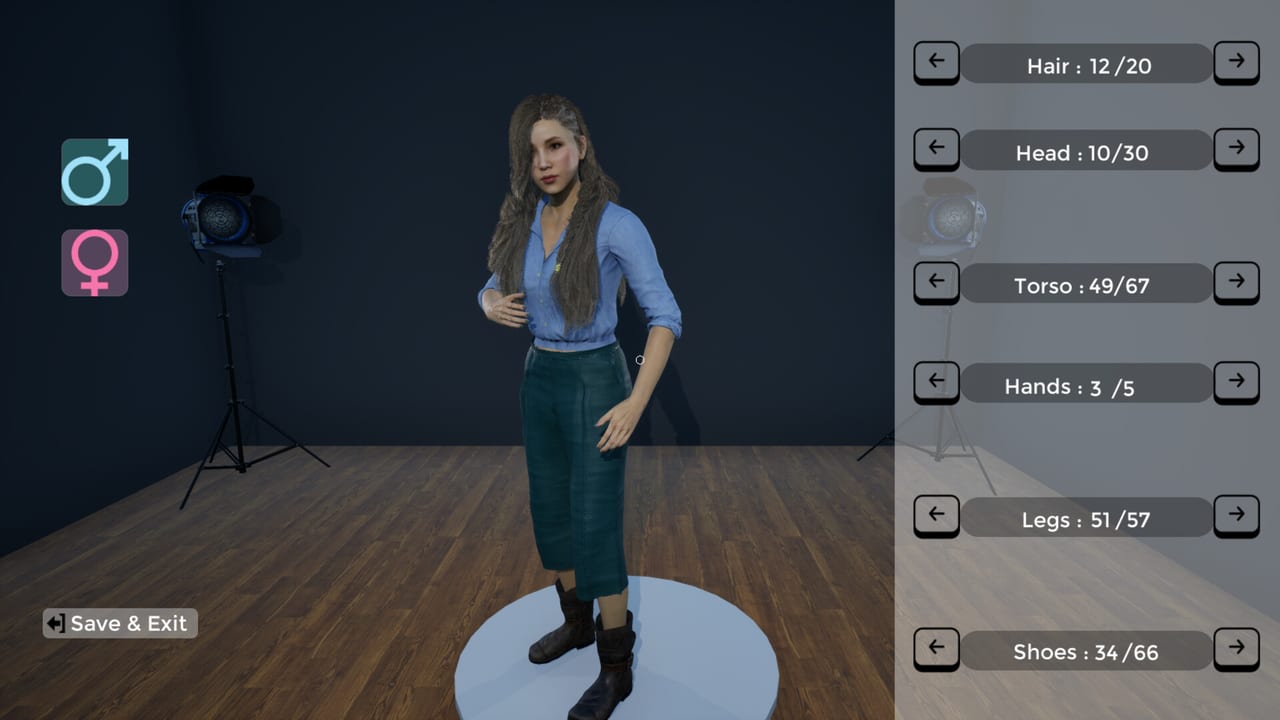
Character customization in Burger Shift: Team Rush is a first-person kitchen’s way of making eight bodies readable. It does not change flip timing, tip math, or who is allowed on the grill. It does change whether a teammate can find you when they shout “window.” Use this page after the getting started pass through the lobby, then return to the crew hub to assign actual jobs. Official store and community links sit on the links page if you want developer posts about new cosmetic drops.
The creator is available in the Prologue and in Early Access. Outfit counts move as Nova Telum Studio adds pieces, so treat any number you see in a screenshot as a snapshot, not a contract. The useful claim is stable: you get dozens of options across hair, head, torso, hands, legs, and shoes. Uniforms and street clothes both appear in published shots. Name tags display for nearby players, which is the part that matters when Steam nicknames are a joke.
Using the creator
Build from the silhouette out, not from a single hat. You will spend the shift looking at other people’s backs, arms, and shoes as they cross the pass. A unique torso color plus a unique shoe color will do more for callouts than a rare hair that is hidden under a cap from five meters. Save something you can describe in one word: yellow, stripes, boots, visor. “The person with the second-darkest hoodie” is not a call.
You can dress like a crew or like eight strangers. Matching uniforms look sharp in a lobby screenshot and terrible when four identical red shirts all reach for the same wrap. If you match on purpose, mismatch one slot — shoes, gloves, or hair — so the caller can still point. If you do not match, avoid the all-black stealth fit unless you enjoy being invisible against the grill hood.
Controls for looking around in the creator follow the same mouse-and-keyboard or controller habits as the kitchen. If a friend is waiting in the lobby, do not treat the creator like a fashion MMO. Pick a readable body, lock it, and brief seats. You can always reopen cosmetics after a shift; you cannot unburn a patty because you were scrolling legs.
Hair, head, torso, hands, legs, shoes
Think in slots, not in a single “outfit score.” Hair and head read from the front at the pass. Torso reads from every angle. Hands read when someone is holding a patty or a cup. Legs and shoes read when people stack in a doorway or at the drive-thru hatch.
One Early Access creator screenshot showed slot counts along the lines of hair 12 of 20, head 10 of 30, torso 49 of 67, hands 3 of 5, legs 51 of 57, and shoes 34 of 66. That is an example from that build’s menus, not a promise the denominators never change. Hands being the shallow pool is the practical takeaway: if two of you pick the same gloves, use torso or shoes to split. Torso and legs being deep pools is why “just wear a unique shirt” still works even when hair options look similar.
Dozens of options across those six slots is enough to avoid clones without a rare-drop grind. There is no cosmetic gacha described here, and this wiki will not invent a shop price list. If a future patch adds paid or achievement-locked pieces, check links and patch notes rather than this paragraph.
Uniforms versus street clothes
Screenshots show both kitchen uniforms and street clothes. Uniforms read as “I came to work.” Street clothes read as “I came from somewhere else and put on an apron anyway.” Neither is a hidden stat buff. Pick the language your lobby likes, then break symmetry.
Uniforms help a new player feel like staff, which is useful on a first Trainee night after getting started. They also clone easily. If four people roll the default shirt, force a shoe or hair split before you host. Street clothes help veterans spot each other in a mixed public lobby, especially when two groups share a kitchen and you only want your own yellow jacket on window.
Aprons, hats, and visors sit on top of that choice. A hat that hides hair means your hair slot stopped being a callsign. A bright apron can replace a dull torso. Use the preview like a radar blip: turn the camera, walk the light, and ask “can I describe this from the grill?” If the answer is a paragraph, simplify.
Name tags
Name tags now show for nearby players without needing a perfect aim at a forehead. That patch-era change is the reason customization and roles talk to each other. A readable tag plus a readable silhouette means the caller can use either Steam name or shirt color. In a loud eight-stack, shirt color is still faster. In a polite duo, names are enough.
Stand close enough for the tag if you are about to hand a wrapped burger. Do not assume a player across the dining room can see your name when you type “on window.” Combine tag, color, and the four callouts from the crew hub — ticket, flip, wrap, window — instead of relying on one channel.
If two people share a similar name, change a cosmetic, not your entire personality. The kitchen does not need a lecture. It needs one of you in different shoes.
Why looks still matter on a shift
They matter for three boring reasons.
First, collision. Burger Shift kitchens are tight. If you cannot tell who is already in the cooler door, you both walk in, and the truck waits. A loud torso prevents polite traffic jams.
Second, ownership. The assembler should not have to ask which pair of gloves is about to steal their wrap. If the grill cook is always the visor, people stop guessing.
Third, hospitality toward new players. A Prologue friend joining your Early Access lobby will not know your voice yet. They will know the green shirt who pointed at the flat top. That is onboarding, not vanity.
Looks do not matter for cook science. They do not add grill space. They do not empty bins. Spend creator time in minutes, not in the half hour you owed the getting started checklist.
What changes in Early Access
Early Access from 11 Sep 2026 is where longer progression, drive-thru, fryer, ice cream, and employees live. Cosmetic catalogs tend to grow in that kind of window. Do not freeze your identity around one screenshot count. Reopen the creator after a content drop, pick a new contrast piece if the lobby cloned you, and get back to seats.
Achievement names on Steam already joke about presentation — interior decoration sits next to service jokes — but a trophy is not a tier list. If you want walls and trinkets, that is kitchen cash, ranked on the upgrade page, not a hair slider.
When you are done looking like a person, go be a cook. The crew hub assigns the body you just made. The links page is the off-wiki trail for official art and patch shots if you are hunting a specific uniform you saw on the store.
Frequently Asked Questions
Quick answers to the most common kitchen questions.
Does customization change cooking or tips?
No. Hair, clothes, and shoes are visual. Faster service still pays extra tips regardless of outfit. Use looks so teammates can spot you, not to raise damage.
How many creator options are there?
Dozens across hair, head, torso, hands, legs, and shoes. One Early Access screenshot showed counts such as hair 12/20 and torso 49/67; treat those as a snapshot, not a freeze.
Should the whole crew wear matching uniforms?
Only if you mismatch one slot. Identical shirts make window calls bounce. Match the vibe, split shoes, gloves, or hair so the caller can point.
Do name tags always show?
Tags display for nearby players without pixel-perfect aiming. They will not replace a shout across the dining room, so pair them with a loud silhouette.
Can I change looks after I join a shift?
Use the creator before you host or between shifts. Do not stall a live ticket board to respec hair. Readable first, fashionable second.
Where do I find official cosmetic news?
Start from the links page for store, Discord, and social accounts. This wiki will not invent a gold price list for shirts that have not been posted.